Counter-Strike 2 / OCTOBER 2024
FaZe CS2 Pros vs Community: Which Match Was the Challenge?
Identify FaZe’s October 2024 challenge and roster, then examine timing, spacing and why its result cannot give a universal pro-to-beginner ratio.
Which FaZe video is this?
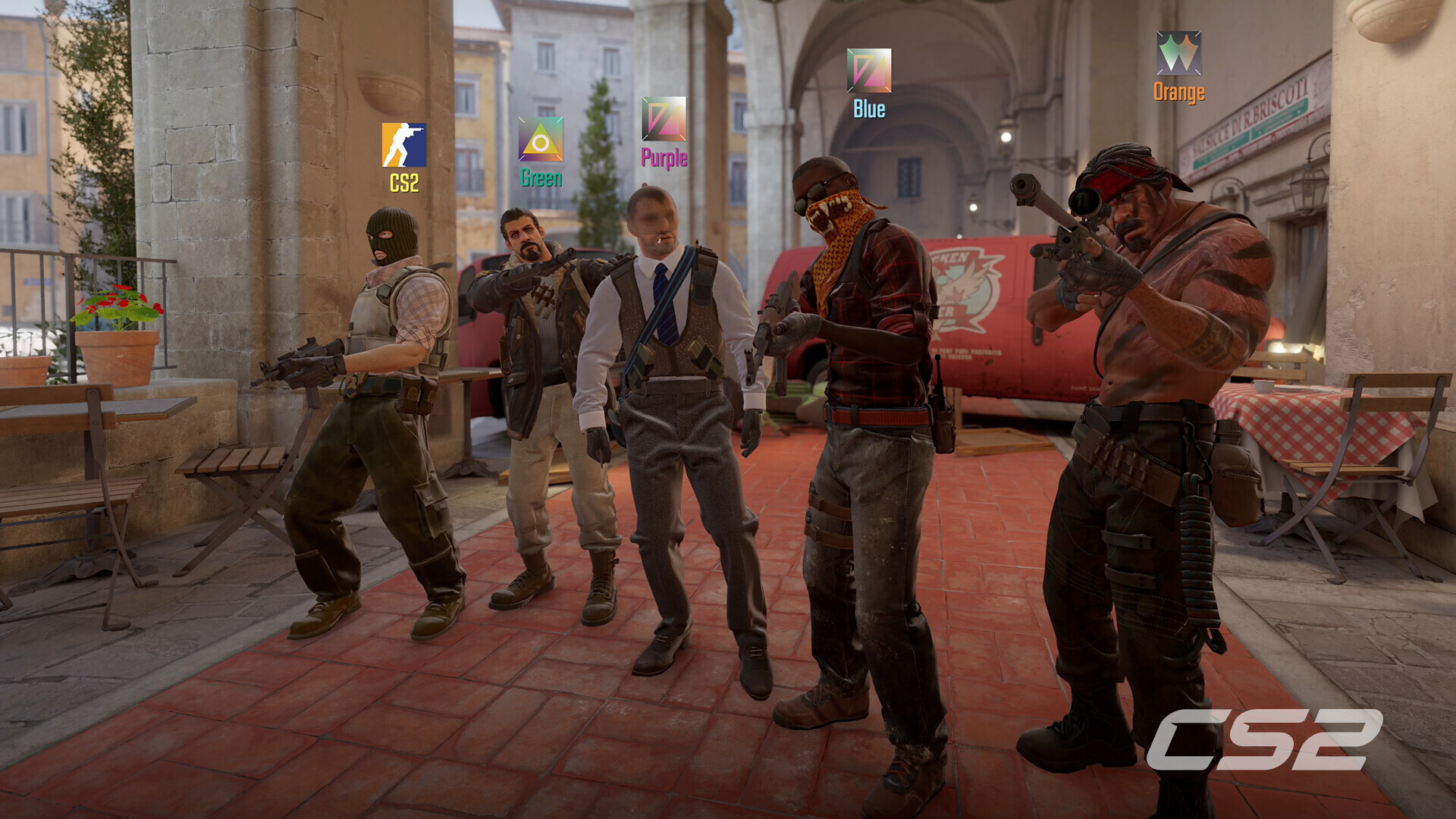
FaZe Esports published its CS2 professional-team-versus-community challenge on October 12, 2024. The listed professional roster was karrigan, ropz, rain, broky and frozen. The description also says some community participants had decent ranks, so treating every opponent as a complete beginner oversimplifies the setup. [1]
A showmatch is not a universal equation
The official video is the source for its rounds and outcome. We are not assigning a single “one pro equals this many beginners” ratio. A custom challenge depends on its map, equipment, rules and participants; changing those can change what the same number of people can accomplish.
That distinction does not make the contest less entertaining. It gives viewers a better question to ask: when does the numerical advantage become usable, and when do the stronger players prevent it from becoming usable?
Headcount versus simultaneous pressure
Our analysis: Consider a doorway that exposes only one attacker at a time. A larger team can have more players available without presenting more targets simultaneously. If those players enter separately, the defender receives a sequence of engagements rather than one overwhelming engagement.
That is a tactical model, not a claim that every round in FaZe’s video followed it. When watching the footage, check the space around the fight. Can several attackers see the defender? Can they support each other quickly? Or is the larger group waiting behind a narrow approach?
Three things to watch besides aim
| Watch for | The useful question |
|---|---|
| Timing | Do teammates engage together or arrive after the first fight is over? |
| Information | Does the group know where the threat is before committing? |
| Spacing | Can teammates support a fight without obstructing one another? |
A spectacular shot is easy to recognize in a highlight. A player who makes the next opponent approach from a predictable direction is contributing something less visible. Looking at the seconds before the shot helps reveal that difference.
Why numbers still matter
It would be just as misleading to conclude that coordination makes additional opponents irrelevant. More players can create more opportunities to cover routes, exchange eliminations and apply pressure. The question is whether the rules and the group’s decisions let them use those opportunities.
The smaller team also has to manage finite attention. A setup that handles one approach can become vulnerable when pressure arrives from several directions. The interesting contest is the interaction between those constraints, not a moral lesson that professionals always beat amateurs.
The useful takeaway for a normal match
Instead of copying an unusual showmatch setup, review how your own team supports its first engagement. Being nearby is not always the same as being ready to help. This challenge is a good prompt to look at timing and usable space—but the official video’s entertainment format should remain separate from ranked-match advice and controlled testing.